

Glydways explained: How Dubai’s driverless pod transit network will redefine mobility
Pilot routes planned to connect Metro stations with major destinations

DUBAI – Dubai has introduced Glydways, a futuristic self-driving transit network programme designed to reshape urban mobility and reduce congestion across key areas of the emirate.
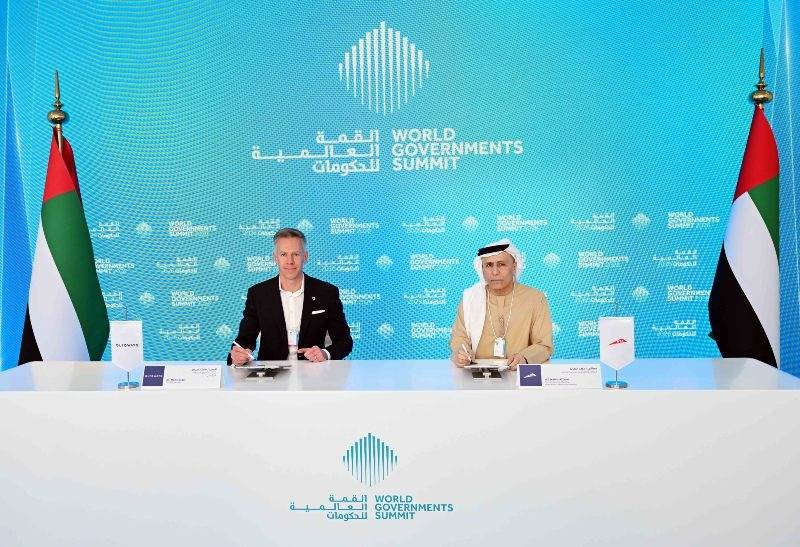
The initiative was unveiled during the World Governments Summit 2026, following a cooperation agreement signed between Dubai’s Roads and Transport Authority (RTA) and US-based transportation technology company Glydways. The programme aims to provide a smart, sustainable transport solution focused on first- and last-mile connectivity, while supporting Dubai’s expanding public transport ecosystem.
The agreement was signed by Mattar Al Tayer, Director General and Chairman of the Board of Executive Directors of the RTA, and Mark Seeger, Co-Founder and CEO of Glydways.
The project marks Dubai’s first automated transit network programme, introducing a new model of driverless travel powered by artificial intelligence and electric vehicle technology.
What is Glydways?
Glydways is an Automated Transit Network (ATN) that uses compact autonomous electric vehicles operating on dedicated guideways, independent of regular road traffic. The system is designed to deliver direct, point-to-point transport rather than fixed-route stops typically seen in buses or trains.
Each vehicle can carry between four and six passengers and is designed to offer a personalised ride experience. Unlike traditional public transport, passengers can travel directly to their destination without intermediate stops, allowing shorter journey times and increased convenience. The vehicles also feature climate control, entertainment systems and WiFi connectivity, creating a travel experience similar to a private ride while maintaining public transport pricing.
The system operates around the clock and is designed to provide zero local emissions, aligning with Dubai’s sustainability goals and long-term clean mobility strategies.
How does it work?
The Glydways network uses narrow, lightweight guideways that can be installed either at ground level or elevated above existing roads. These guideways reduce disruption to current infrastructure and minimise construction impact on utility networks.
The vehicles are fully autonomous and equipped with 20 high-resolution LiDAR sensors, advanced radar systems and high-definition cameras. These technologies allow vehicles to navigate safely, monitor surroundings in real time and maintain precise spacing between pods.
The system enables virtual platooning, allowing more than 10 vehicles to travel in synchronised formation with a one-second headway. Vehicles can operate at speeds of up to 50 km/h and have a driving range of approximately 250 km on a single charge.
Passengers will be able to book rides using mobile applications or kiosks and pay through the existing Nol payment system or mobile devices. The service is designed to offer on-demand transport where users can hail a pod similar to booking a taxi, but at a cost comparable to a bus or Metro ticket.
When will it launch?
The first phase of the Glydways network is expected to begin with a trial launch later in 2026. According to company officials, the initial pilot route is expected to be operational within months, marking the first real-world deployment of the system in Dubai.
The RTA has already planned four initial corridors, with the first trial route linking National Paints Metro Station to Bluewaters Island. This pilot corridor will span approximately 2.8 km and is intended to demonstrate the system’s performance and passenger experience.
Additional routes under study include a connection between Mall of the Emirates Metro Station and Madinat Jumeirah covering approximately 1.9 km, a 2.6 km corridor linking OnPassive to Alserkal Avenue and Times Square Centre, and a 7 km route within Dubai Festival City with potential future integration into the upcoming Dubai Metro Blue Line.
What makes it different?
One of Glydways’ most significant features is its operational efficiency and cost structure. According to RTA officials, the system can transport more than 20,000 passengers per hour in both directions under full deployment. Each lane is approximately two metres wide, comparable to the width of a bicycle lane, allowing high passenger throughput using limited space.
The system is designed to reduce capital expenditure by up to 90 percent compared with traditional rail-based transit projects, while operational costs are expected to be reduced by approximately 70 percent. Glydways officials also state that the network can operate without heavy government subsidies, which is uncommon for large-scale public transit systems.
The vehicles operate entirely on electric power and use artificial intelligence software to manage traffic flow by continuously analysing and coordinating vehicle trajectories. This approach aims to reduce congestion by increasing transport capacity rather than relying solely on road expansion.
Where will it operate?
The Glydways network is designed to complement and integrate with Dubai’s existing public transport infrastructure, particularly the Dubai Metro network. The initial routes focus on linking Metro stations with key commercial, residential and tourist destinations to improve accessibility and connectivity across the city.
Bluewaters Island, known for its tourism and leisure attractions, has been selected as the first demonstration environment. Additional proposed destinations such as Madinat Jumeirah, Alserkal Avenue, Times Square Centre and Dubai Festival City represent major cultural, retail and residential hubs.
Officials emphasise that the project will be implemented under a Public-Private Partnership model, enabling collaboration between government authorities and private sector technology providers. The approach is expected to accelerate deployment timelines and introduce global best practices in system design and operation.
Glydways, founded in 2016 and headquartered in San Francisco, is currently involved in projects across the United States and Asia, including developments in California, New York, Georgia, Japan and the Philippines.